Table of Contents
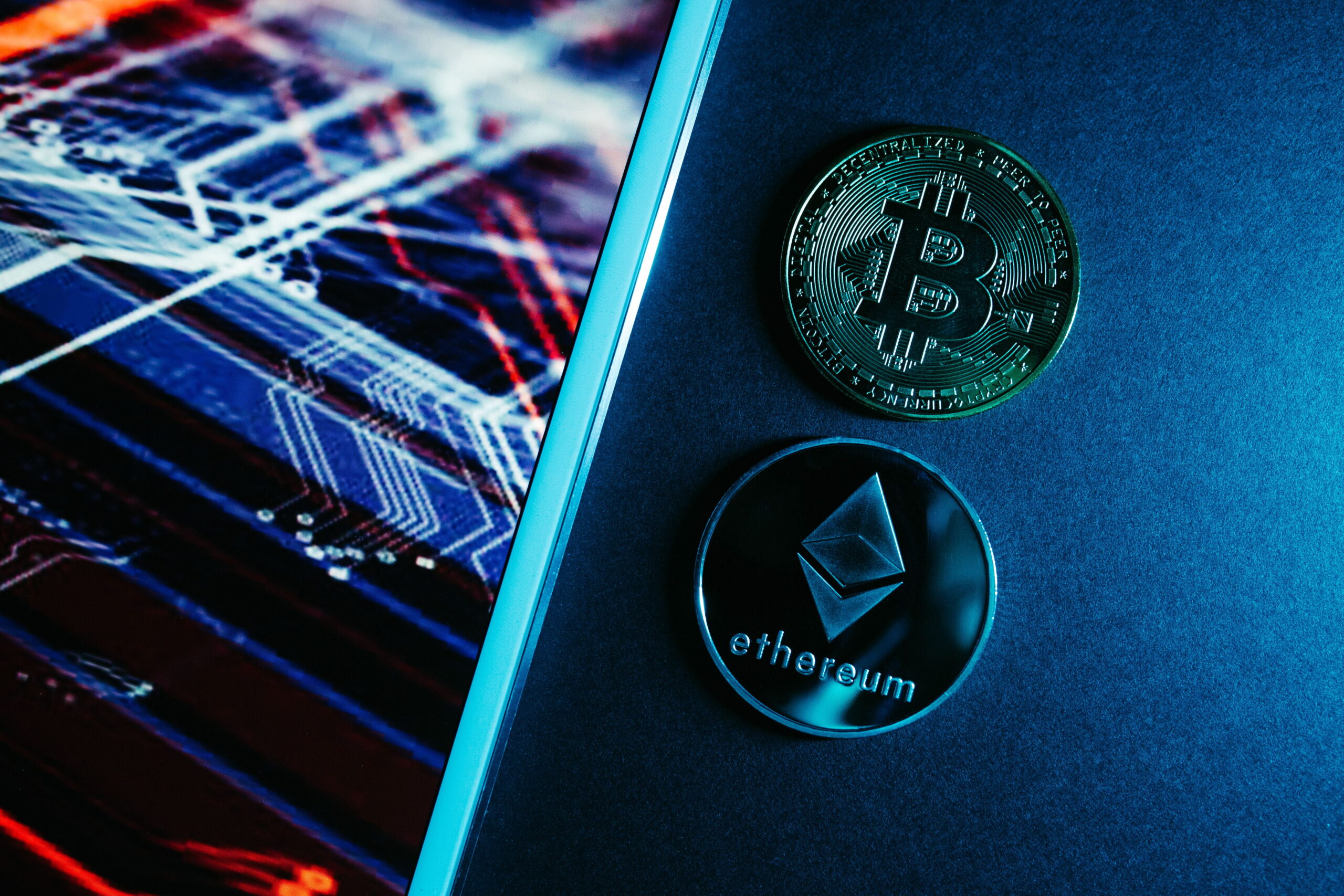
Crypto games are no longer just a niche experiment for a small crowd of blockchain enthusiasts. They’ve moved into the mainstream of gaming conversations. Some of them have a huge number of players. These games can bring new mechanics and opportunities for interaction.
These are titles that integrate cryptocurrency and blockchain technology into their core design (and sometimes mechanics like payments). That might mean using tokens for in-game transactions or offering verifiable ownership of items. Some games are building play-to-earn systems that reward time and effort with digital assets.
The key is that blockchain gives these games more than a digital wallet add-on. It can completely reshape how a game works. Some use it to create permanent records of achievements and items.
Casino Gaming’s Crypto Shift
Online casinos were quick to see the potential in cryptocurrency. Payment methods were historically tied to traditional systems. Crypto brought faster transactions and a potentially global audience that could join in without the usual banking friction. There are a lot of benefits for players.
Slot games adapted quickly. Many crypto-friendly casinos now run thousands of titles covering every theme imaginable. There are still fruit machine classics, but also elaborate video slots with cinematic graphics.
Blockchain influence didn’t stop at variety – it also brought concepts like provably fair gaming. This is where the fairness of a result is always verified using the blockchain’s transparent records. It’s a feature that’s become a selling point for crypto-powered casino platforms. Top casino brands are being built to have Web3.0 principles embedded within. PeerGame.com provides players with blockchain integration and architecture as standard. It has a huge choice of games and payment options. It is fully Web3.0-ready.
Blockchain has opened the door for new types of casino games. Dice games and crash games now sit alongside the more traditional blackjack and roulette tables. The pace of development is quick. This is partly because blockchain systems can integrate with game mechanics in ways that bypass some of the older tech limitations.
Beyond the Casino
Casino gaming might have been early to embrace blockchain, but it’s far from the only space using it creatively. RPGs and even social games are weaving in cryptocurrency features. Some go heavy on the financial side – others use blockchain simply as an underpinning to their economy without making it the focus of the gameplay. There were even rumors that the new GTA game (set to be one of the biggest releases ever) would incorporate cryptocurrencies.
One of the more interesting developments is the play-to-earn (P2E) model. These games reward players with cryptocurrency or blockchain-based items for completing in-game tasks or crafting. The P2E approach has had mixed results in the past, with some games focusing too much on the earning aspect and not enough on making them enjoyable to play. But a newer generation of developers is aiming to fix that balance.
Game Spotlight: Forsakens RPG
A good example of how blockchain and crypto can be woven into a game without taking over the fun is Forsakens RPG. This title started life as a Discord bot and has grown into a fully fledged role-playing experience with strategy and crypto woven in.
Players upgrade heroes and farm resources. There are events as well as epic battles. The game also has an in-built crafting system. All of this is available to enjoy as a game in its own right, without any need to think about crypto if that’s not the focus for the player. But for those who want to, the blockchain element is there. In this case, it’s built on the Solana network with a token called $ARCA.
The way Forsakens handles its in-game economy is unusual. Donation currency (ARCAg) is linked to the $ARCA coin but doesn’t require constant blockchain confirmations for every transaction. It keeps the gameplay smooth. There’s an in-game auction where players who donate can buy assets from those who prefer to “farm” and sell. This creates two overlapping styles of play.
It’s also in open beta, with weekly updates and events designed to keep the world of Arcanor evolving. Progress is saved – players who take part can choose to receive prizes in-game or in crypto at the end of the beta season. That mix of traditional RPG content and blockchain-powered economics makes it stand out from earlier P2E experiments.
Conclusion
Lots of games now incorporate blockchain. Strategy games have embraced blockchain for managing resources and territory ownership. Multiplayer survival titles have used it to create permanent player-driven worlds where every crafted item or building is tied to a blockchain record. Even sports management games are using it for ownership and to trade digital athletes as unique assets.
The possibilities for blockchain are endless. Game developers are looking to incorporate it cleverly – cryptocurrencies are just one of the ways that blockchain is revolutionizing things for players.
For more articles visit searchbooste